
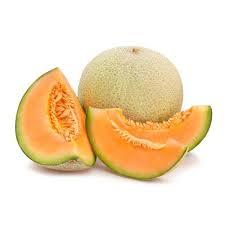
Cantaloupe Melon
- Sweet, aromatic orange flesh
- Vigorous vines (needs space)
- Best when homegrown – far superior to store-bought
- Warm-season annual
Botanical Name: Cucumis melo var. cantalupensis
Format: Seedling tray/pot (starter plant)
Cantaloupe Melon (North American type, also called muskmelon) produces sweet orange-fleshed melons for summer gardens, known for fragrance and dessert quality. The fruit is round with a reticulated (netted) tan rind and sweet, juicy, salmon-orange flesh. The flavor is unmistakable – floral, sweet, and refreshing. Best sold as warm-season seedlings for quick planting. Cantaloupe vines spread vigorously, so give them plenty of space. Homegrown cantaloupe is far superior to grocery store fruit – it is sweeter, more aromatic, and picked at peak ripeness.
Taste note: Floral, sweet, juicy – the classic summer melon.
Key Highlights
| Feature | Details |
| Light | Full Sun |
| Plant Spacing | 24–36 inches apart; rows 5–6 ft apart |
| Vine Length | 4–6 ft |
| Planting Time | Spring (after last frost, when soil warms to 65°F) |
| Hardiness | Warm-season annual (all zones in summer) |
| Propagation | Seedling tray or pot |
| Days to Maturity | 70–90 days from transplant |
| Self-fertile | Yes (monoecious – requires bees) |
How to Grow
Cantaloupe loves heat and sun. Do not plant until the soil has warmed to at least 65°F – cold soil will stunt growth. Provide fertile, well-drained soil with plenty of compost. Water consistently, especially during fruit development, but avoid wetting leaves to prevent mildew. Mulch to keep fruit clean and retain moisture. Cantaloupe requires pollinators – if bees are scarce, hand-pollinate by transferring pollen from male flowers to female flowers (female flowers have a small swelling at the base).
Welcome to Your Plant
- Remove Packaging– Unpack seedling tray carefully.
- Check the Soil– Keep seedlings moist.
- Adjustment Period– Harden off for 5–7 days before planting outside.
Long-Term Care
- Location: Full sun, warmest part of garden.
- Soil & Drainage: Rich, well-drained, pH 6.0–6.8.
- Feeding: Fertilize at planting with balanced fertilizer; side-dress when vines begin to run.
- Watering: Consistent moisture. 1–2 inches per week. Reduce as fruit ripens.
- Pruning: Not necessary. Some growers pinch off early flowers to encourage stronger vines.
- Pests: Watch for cucumber beetles and aphids. Use row covers early.
Harvesting & Use
Cantaloupe is ripe when the stem slips easily from the fruit with gentle pressure. The fruit will have a sweet fragrance and the rind will change from green to tan under the netting. Harvest immediately when ripe. Eat fresh, in fruit salads, or wrapped in prosciutto.
Delivery Information
Cantaloupe seedlings shipped in trays or small pots. Free shipping over $50.
Support
📧 info@globalflora.org
Where do our plants come from?
Global Flora sources grafted citrus from registered, disease-tested nurseries. All plants are non-GMO.
FAQ – Suitability & Watering
- Zones:All zones in summer. Needs 70+ days of warm weather.
- Watering:Reduce water as fruit ripens for sweeter melons.