
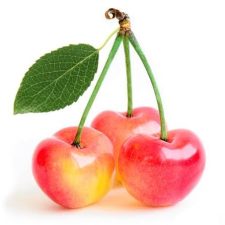
Rainier Cherry
- Distinctive yellow skin with red blush
- Very sweet, honey-vanilla flavor
- Low acid, delicate texture
- Premium, high-value cherry
- Requires pollinizer (not self-fertile)
Botanical Name: Prunus avium
Format: Grafted cherry tree
Rainier Cherry is a premium yellow-red sweet cherry valued for delicate flavor and attractive blush color. Developed in Washington State, Rainier cherries are instantly recognizable: yellow skin with a bright red blush. The flesh is pale yellow, very sweet, and exceptionally flavorful – often described as having honey-vanilla notes. Rainier is less acidic than dark cherries and is considered a delicacy. The fruit is softer than Bing and bruises easily, so careful handling is required. Market as a high-end fruit tree for cooler regions. Rainier is not self-fertile – plant with a compatible pollinizer (Bing, Van, or Black Tartarian).
Taste note: Very sweet, honey-vanilla notes, low acid – exceptionally delicate flavor.
Key Highlights
| Feature | Details |
| Light | Full Sun |
| Tree Spacing | 18–22 ft |
| Tree Height | 15–20 ft (standard) |
| Planting Time | Spring (bare-root) or fall (potted) |
| Hardiness | USDA Zones 5–8 |
| Grafting | Yes |
| Fruit Season | Early to mid-June |
| Self-fertile | No – requires pollinizer |
How to Grow
Rainier requires the same conditions as Bing: full sun, well-drained soil, and winter chilling (700+ hours). It is more cold-hardy than Bing but also more delicate in fruit handling. Bird protection is absolutely essential – birds love Rainier cherries. Netting is required. Prune in late winter to maintain open center. Fertilize in early spring with low-nitrogen fertilizer. Rainier trees are somewhat less vigorous than Bing, so they are a good choice for smaller yards (but still require a pollinizer).
Welcome to Your Plant
- Remove Packaging– Unpack carefully.
- Check the Soil– Keep roots moist.
- Adjustment Period– Plant immediately.
Long-Term Care
- Location: Full sun, protected from wind (delicate fruit).
- Soil & Drainage: Well-drained, sandy loam.
- Feeding: Low-nitrogen fertilizer in early spring.
- Watering: Consistent moisture during fruit development.
- Pruning: Late winter.
- Bird protection: Netting required.
Harvesting & Use
Harvest when the yellow skin has a strong red blush and fruit is sweet. Handle extremely gently – the fruit bruises with the slightest pressure. Rainiers are best eaten fresh. They do not can or freeze as well as dark cherries.
Delivery Information
Rainier cherry trees shipped. Free shipping over $50.
Support
📧 info@globalflora.org
Where do our plants come from?
Global Flora sources grafted citrus from registered, disease-tested nurseries. All plants are non-GMO.
FAQ – Suitability & Watering
- Zones:5–8. Not suitable for warm climates (zone 9+).
- Pollination:Plant with Bing, Van, or Black Tartarian.